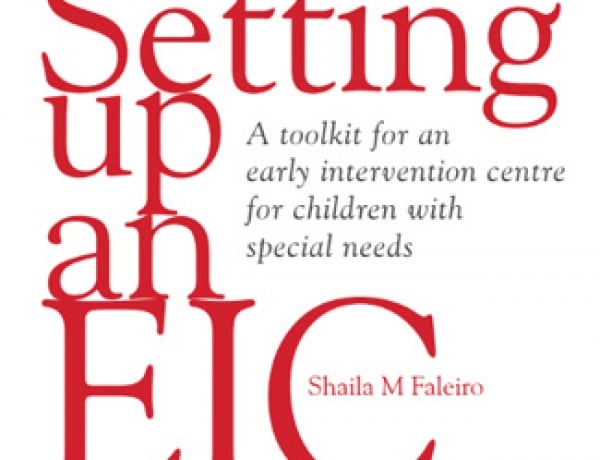
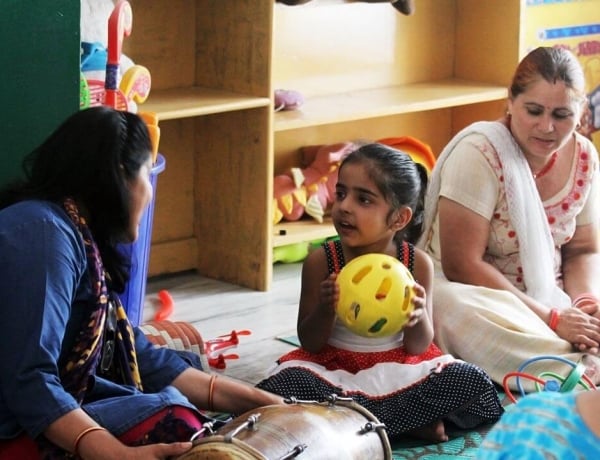
A toolkit for an early intervention centre for children with special needs
LRF features as a case study in UNESCO’s groundbreaking State of the Education Report for India (Children with Disabilities), 2019, for its innovative, family-centered ecosystem for disabled children.
LRF was one of seven organizations in India to be profiled in UNESCO's groundbreaking 2019 State of Education Report for Children with Disabilities in India. And they liked us so much, they came [...]
Are you a psychologist with counselling experience, looking to make a real difference to the lives of children and families in need?
Latika Vihar’s Leadership Council is a new initiative designed to cultivate positive change by the ones who know this program the best: the students. While Latika Vihar is a revolutionary model [...]
The leading CRM company Salesforce, voted one of 50 most innovative and 15 most admired companies in 2019, has partnered with the Latika Roy Foundation on their Volunteer Time Off (VTO) [...]
Meenakshi Mehta, Principal of Gyananda School, Dehradun, has initiated an interesting programme called ‘Be the Change’ in her school, and we were invited. Last Friday, 15 kids from Karuna Vihar [...]
Guest Article by Dr Ravi Chopra _______ Eminent and world renowned scientist Dr. G.D. Agrawal, India’s leading expert on environmental pollution, has entered the 106th day of his fast to [...]
This article is by Theo Demolder, a volunteer from Cambridge University. Theo approached us to draw on his experience in journalism and studying politics to “contribute to the work of the [...]
As part of our family-centred approach where families' needs are foremost, we've been organising outreach camps in neighbourhoods, villages and towns around Dehradun for years. On July 21, we [...]
Contents of our EIC toolkit
Introduction
How to use this toolkit
Early Intervention FAQs
- What is early intervention?
- Which children need early intervention?
- When does early intervention begin?
- How does early intervention benefit children with specific challenges?
- What are the different types of early intervention services?

Setting up an early intervention centre
- Part 1: Before you begin
- Define the scope
- Pick a name and logo
- Think about your sustainability
- Register your organisation
- Appoint a board
- Identify a location
- Hire and orient staff
- Raise awareness
- Set up the space
- Part 2: Working with staff and children
- Assess the children
- Admit and observe the children
- Group the children
- Plan, set goals, monitor and evaluate
- Establish support services for the parents
- Reach out to the community
- Manage staff
Best practices in early intervention
Annexures and presentations
- Annexure 1: Sample Meeting Agenda
- Annexure 2: Sample Minutes of a Meeting
- Annexure 3: Broad Guidelines for Using Social Media
- Annexure 4: Sample Prescription Pad
- Annexure 5: Handmade Toys
- Annexure 6: Setting Up The Space
- Annexure 7: Sample Assessment Form
- Annexure 8: Knowing Me Better Sample
- Annexure 9: Sample Fast Track Curriculum
- Annexure 10: Concept Note Template
- Annexure 11: Milestones Posters
- Annexure 12: Child Development Booklet
- Annexure 13: Red Flags Leaflet
- Annexure 14: Sample Child/ Vulnerable Adult Protection Policy
- Annexure 15: Sample Sexual Harassment Policy
- Presentation 1: Training Workshop for Parents on Positioning and Transferring Techniques (English)
- Presentation 2: Training Workshop for Parents on Positioning and Transferring Techniques (Hindi)
Tables and boxes
- Types of skills acquired in the early years
- Pros and cons of newspaper classifieds
- Pros and cons of online recruitment
- Pros and cons of personal recruitment
- Qualities of good early interventionists
- Minutes matter
- How to engage your community
- Quick tips for networking with doctors
- Conducting workshops in mainstream schools
- Why provide a sensory diet
- Why imaginative play is critical to development
- How children are grouped
- Playgroup timetable
- Sample contents of a child’s file
- Short-term goal planning
- The importance of feedback
- A typical day for staff
- How the strengths-based approach helps families