
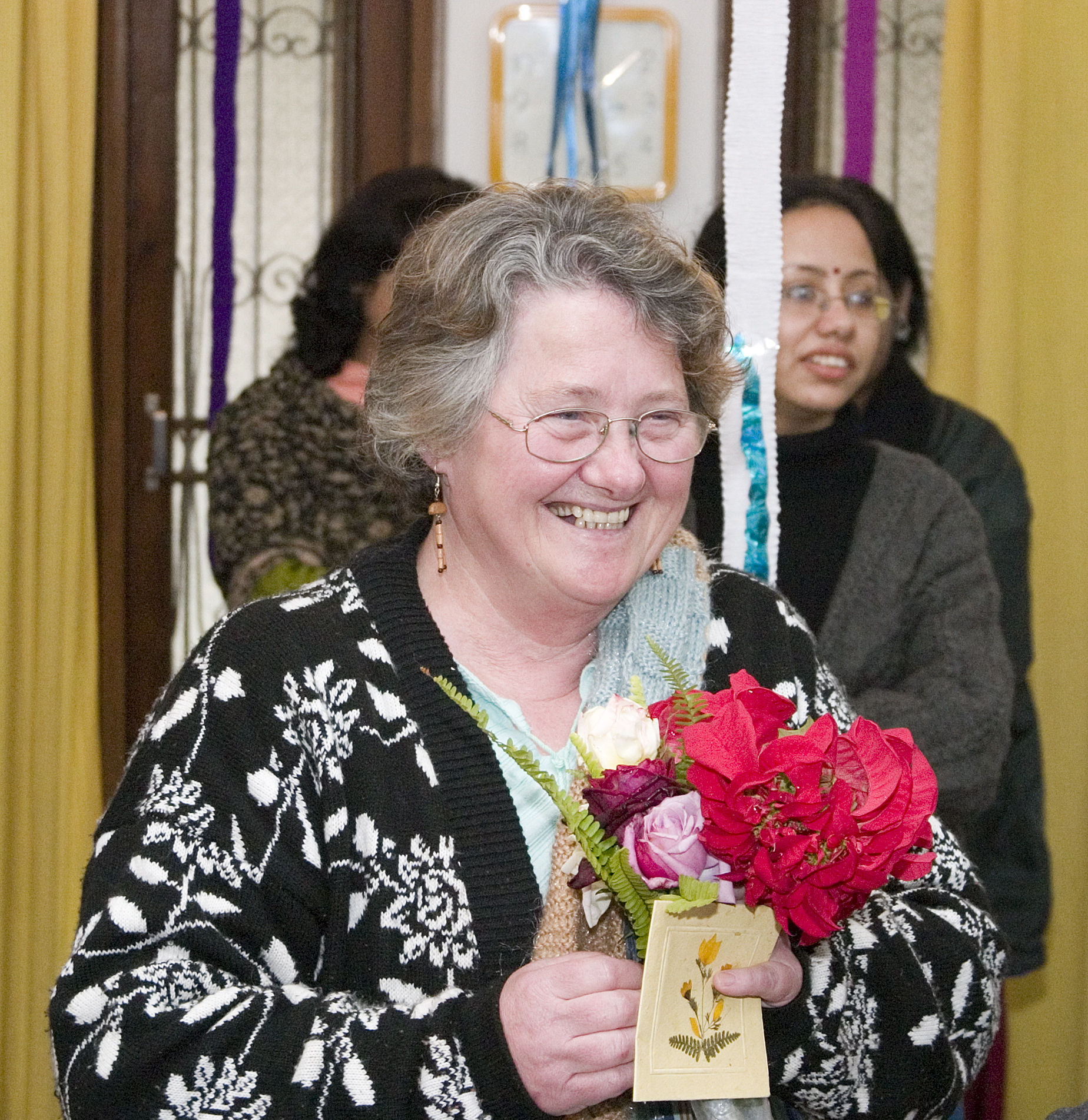
I spent the last few days editing a book which Paula has written for us (watch this space for the release date!). It’s about teaching maths. It’s a wonderful and practical manual, full of simple ways to teach very difficult concepts, but its real beauty is the attitude which pervades it: an attitude which was part of Paula’s whole being and which, we believe, she transferred to all of us here – the idea that children really want to learn. With that attitude firmly in place, the role of the teacher is simply to facilitate a process. There’s no need to convince the child or to fight with her: if she doesn’t get it, assume there is a reason and work on THAT.
There’s a quote from the book which I love: “Don’t let children practice mistakes by withdrawing the visual reminder too soon. If they are struggling to remember without it, it means they still need it.” Don’t let them practice mistakes! Often without even realizing it, we test children, trying to catch them doing something wrong. Paula’s Precept #1: Believe the child wants to learn!

The child definitely wants to learn! I strongly believe in the concept of “looking-glass-self”, the idea that “I am not what I think I am, I am not what you think I am, I am what I think you think I am”. In simple words, we are often the result of what others think we are or what we “imagine” others think we are. Feelings of self-worth, self-respect and self-esteem depends on percieved sucess or failure. Sucess not only means “I suceeded” but also, “I am a sucess” Failure not only means “I failed”, but also, “I am a failure”.
This is especially important in the context of teaching children with special needs. Without realising it we tend to tell the child non-verbally, that “you cant do it”…which is a terrible thing to do. So Paula di’s principle of stopping where we think that we are not doing our job well and not that the child is not capable is something to ponder about. We need to change our teaching strategies to accomodate the child’s learning style and not vice versa!
Easier said than done??…