
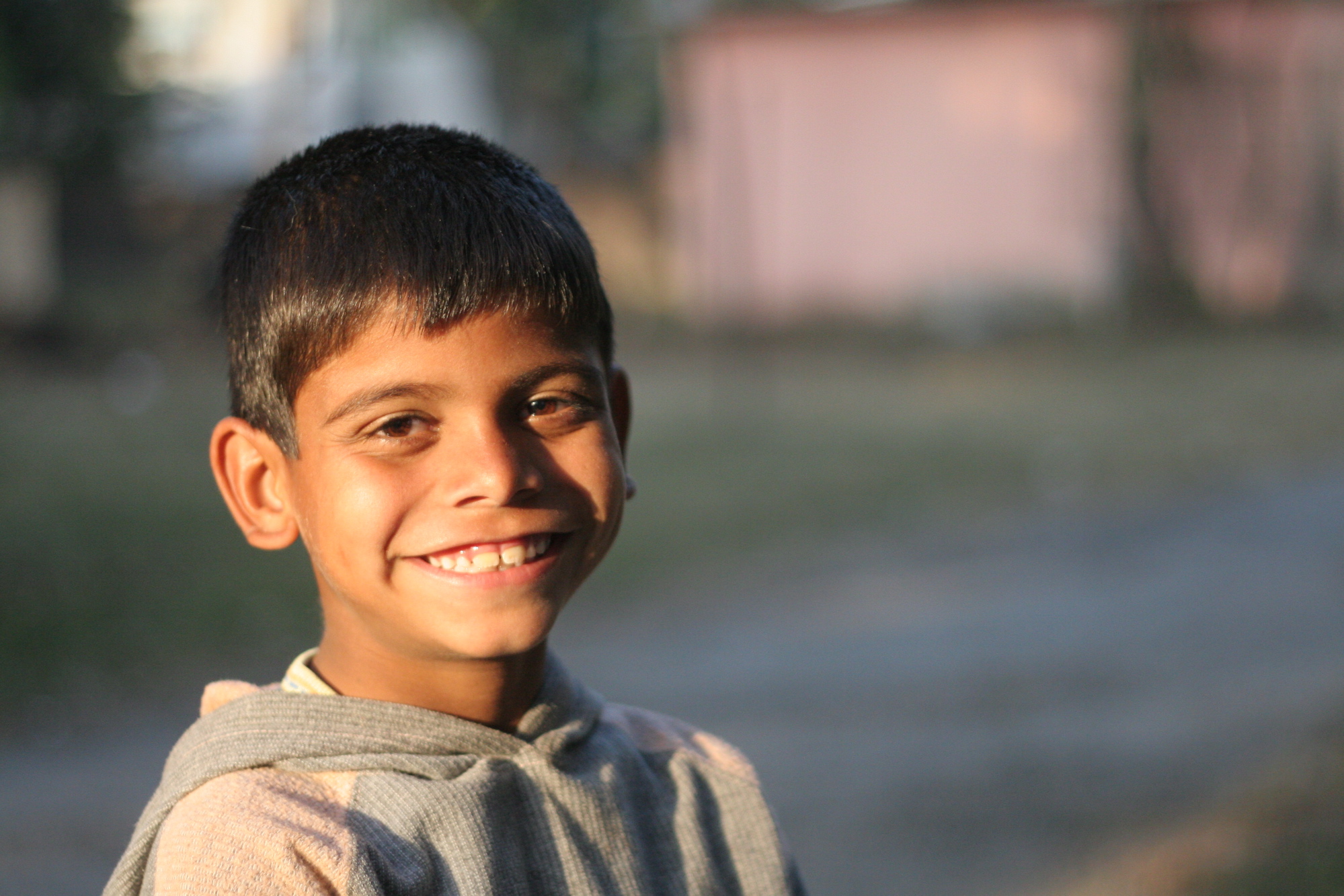
 Here’s a boy I admire. Every time I see him, he’s got a new game going. The last one involved a marble in a little hole he had made in the ground and a ball which he aimed carefully at it for reasons known best to himself. He has a brother and two sisters and recently I saw he had made them a swing out of a collection of old bicycle tubes, tied artfully in a long row and hung over a tree branch. He makes his own fun and though he would surely qualify as a poor child, there are things he has that money cannot buy.
I heard an interesting story on the radio the other day about children and the decline of imaginative play. It seems that with the advent of television advertising and the need, in a consumer society, to sell things, toys have become more and more of a central player in the way kids play. Nothing wrong with toys. I love them, and I want to bring more of them to India (more on that later). But according to this story, most Western children are now so dependent upon toys that they have forgotten how to play! Back in the olden days, kids had toys. But a doll could be made from a popsicle stick wrapped up in yarn. A telephone could be constructed from two tin cans and a long string. Walnut shells were tea cups. Toys were accessories to what was going on in the mind of the child. They weren’t the whole story. Now I’m not so sure. The experts have some advice, of course, because there are:
Better Ways to Play!
Self-regulation is a critical skill for kids. Unfortunately, most kids today spend a lot of time doing three things: watching television, playing video games and taking lessons. None of these activities promote self-regulation.
We asked for alternatives from three researchers: Deborah Leong, professor of psychology at Metropolitan State College of Denver, Elena Bodrova, senior researcher with Mid-Continent Research for Education and Learning, and Laura Berk, professor of psychology at Illinois State University.
Here are their suggestions:
Simon Says: Simon Says is a game that requires children to inhibit themselves. You have to think and not do something, which helps to build self-regulation.
Complex Imaginative Play: This is play where your child plans scenarios and enacts those scenarios for a fair amount of time, a half-hour at a minimum, though longer is better. Sustained play that last for hours is best. Realistic props are good for very young children, but otherwise encourage kids to use symbolic props that they create and make through their imaginations. For example, a stick becomes a sword.
Activities That Require Planning: Games with directions, patterns for construction, recipes for cooking, for instance.
Joint Storybook Reading: “Reading storybooks with preschoolers promotes self-regulation, not just because it fosters language development, but because children’s stories are filled with characters who model effective self-regulatory strategies,” says researcher Laura Berk.
She cites the classic example of Watty Piper’s The Little Engine That Could, in which a little blue engine pulling a train of toys and food over a mountain breaks down and must find a way to complete its journey. The engine chants, “I think I can. I think I can. I think I can,” and with persistence and effort, surmounts the challenge.
Encourage Children to Talk to Themselves: “Like adults, children spontaneously speak to themselves to guide and manage their own behavior,” Berk says. “In fact, children often use self-guiding comments recently picked up from their interactions with adults, signaling that they are beginning to apply those strategies to themselves.
“Encouraging children to be verbally active—to speak to themselves while engaged in challenging tasks—fosters concentration, effort, problem-solving, and task success.” — Alix Spiegel
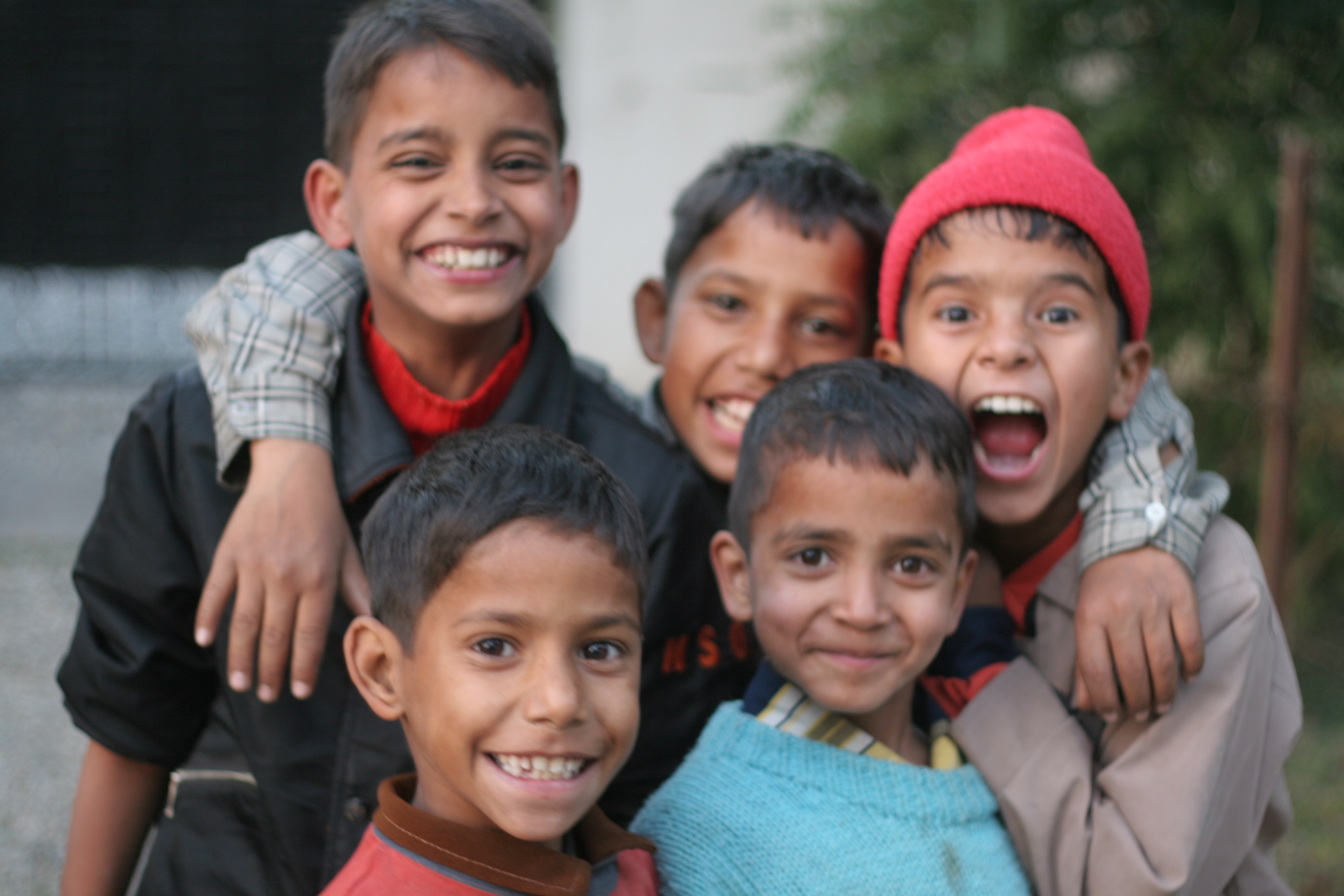
All true, no doubt. But another option might just be to find some kids on the street and watch how they have fun. They’re the real experts, after all!

Where was this blog a year ago? Great article (Getting Serious About Play)! Can you believe I was searching for learning game toy when I fond this post Sunday.