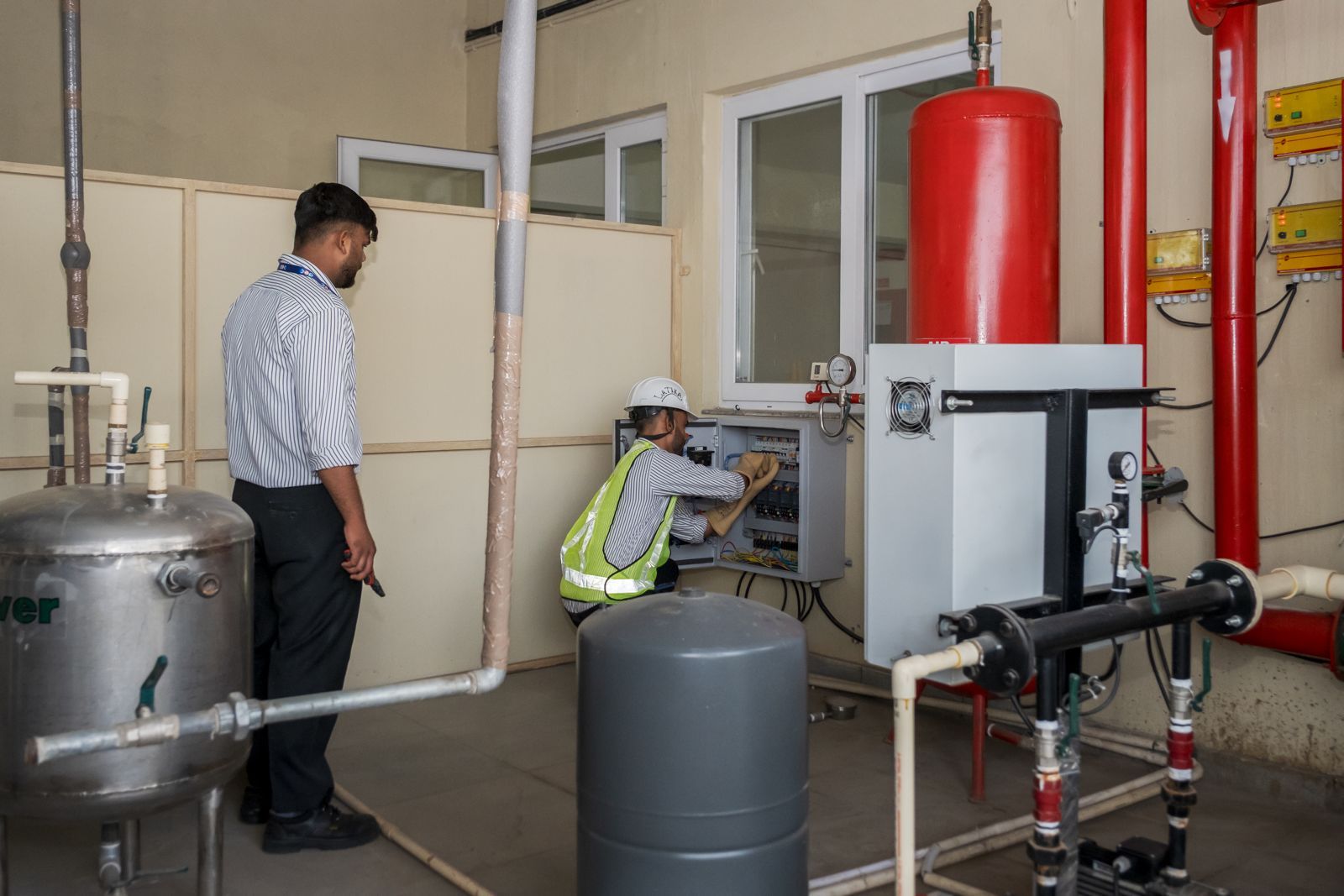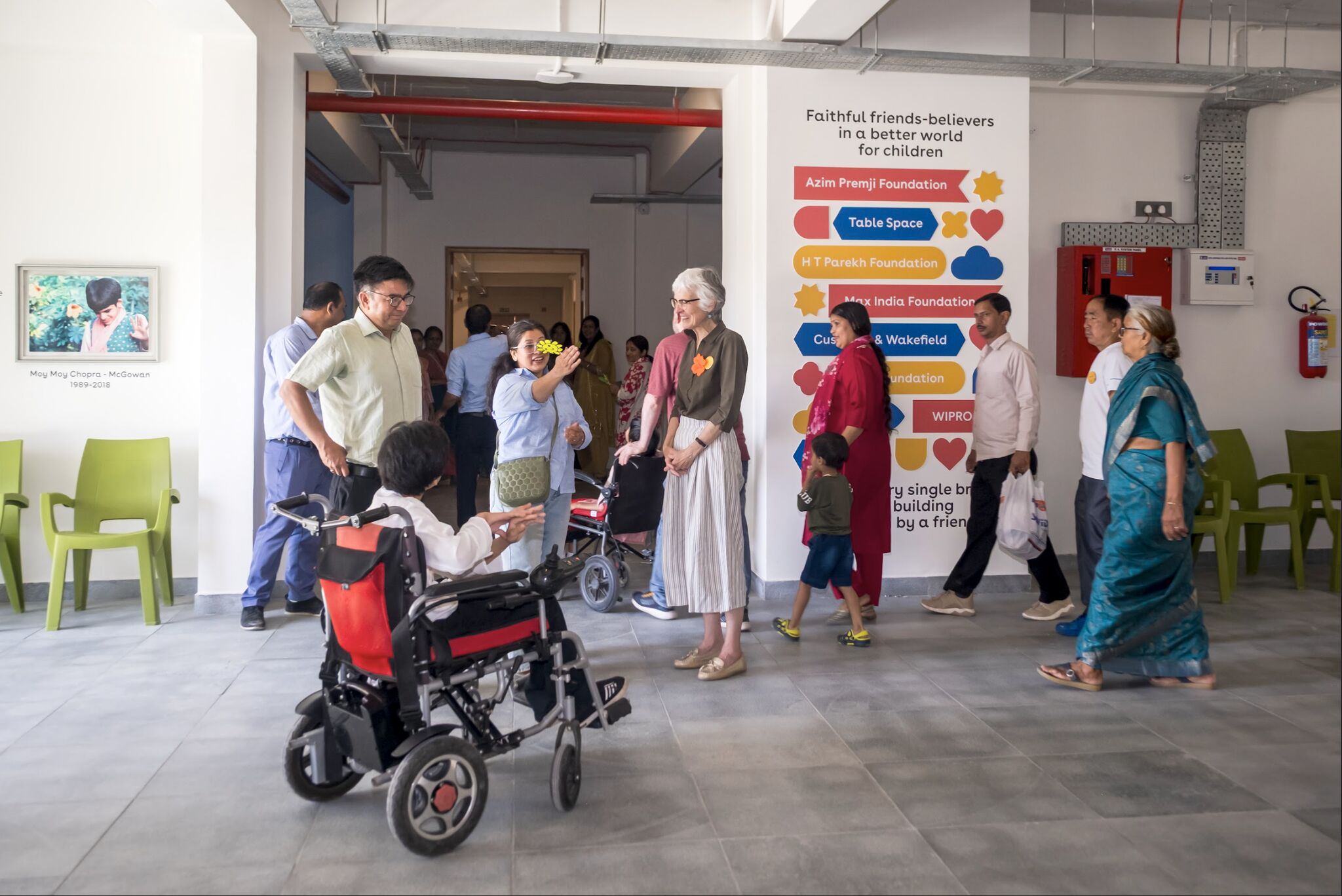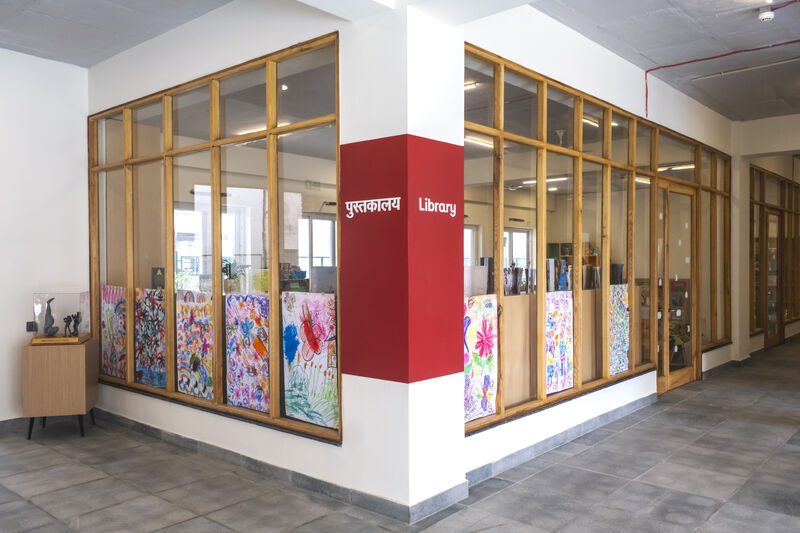
Maintenance is under-rated. An art and a science, it is largely taken for granted. The hallmark of good maintenance is, ironically, no one notices it. Only when it is neglected do we realize that spare lightbulbs don’t appear by magic, that unmopped floors are dirty and that un-oiled hinges soon become squeaky doors.
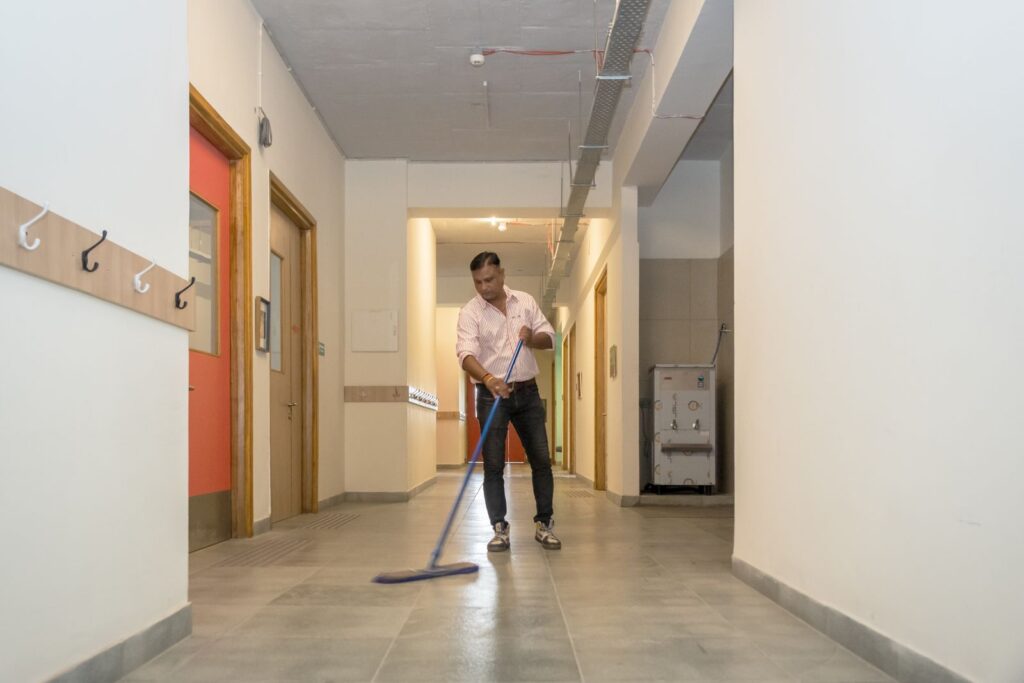
Maintenance is boring. It’s endless, repetitive and thankless. As Stewart Brand puts it: “The apparent paradox is profound: Maintenance is absolutely necessary and maintenance is optional. It is easy to put off, yet it has to be done. Defer now, regret later. Neglect kills.”
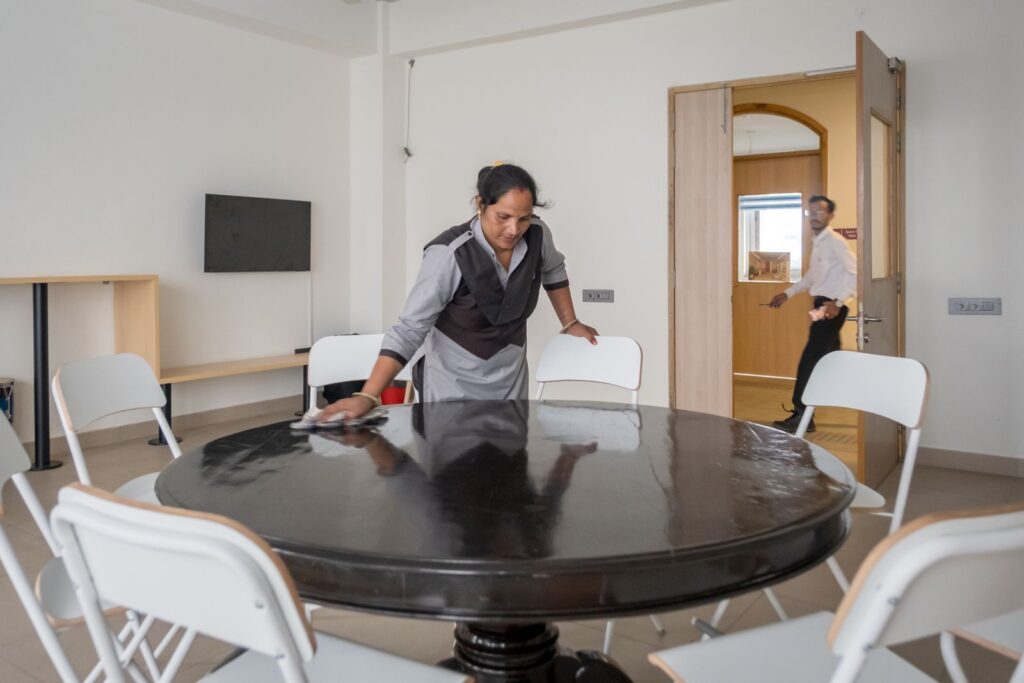
Constructing a building, I can say with authority, is easy to fund. Everybody loves new stuff. A building stands there in front of you. It’s important, solid, tangible. Donors can point to it and say: “Look at this. See what I made happen.”

Maintenance, on the other hand, is a hard sell. “See what my support has done! All the windows still open and close. The soil treatment plant is chugging away. There are no cockroaches and if a fire broke out, God forbid, the extinguishers are all in working order.”
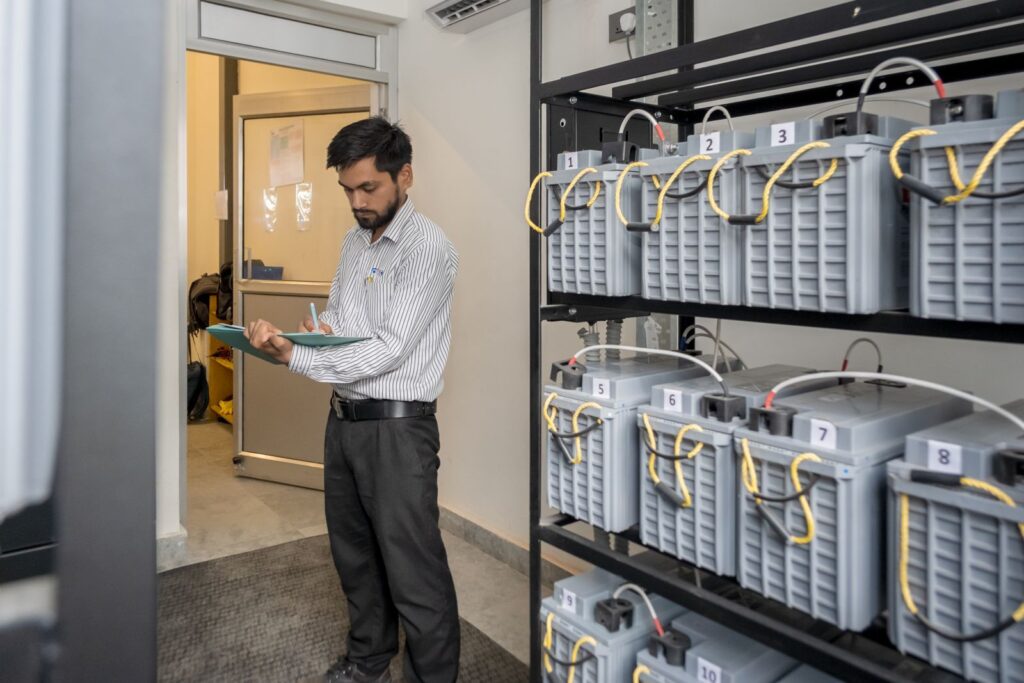
Who would care? So we tuck maintenance into larger causes, hide it within each proposal as a side feature, not the main event, because what donor wants to be in the background? Why pay for what no one notices?
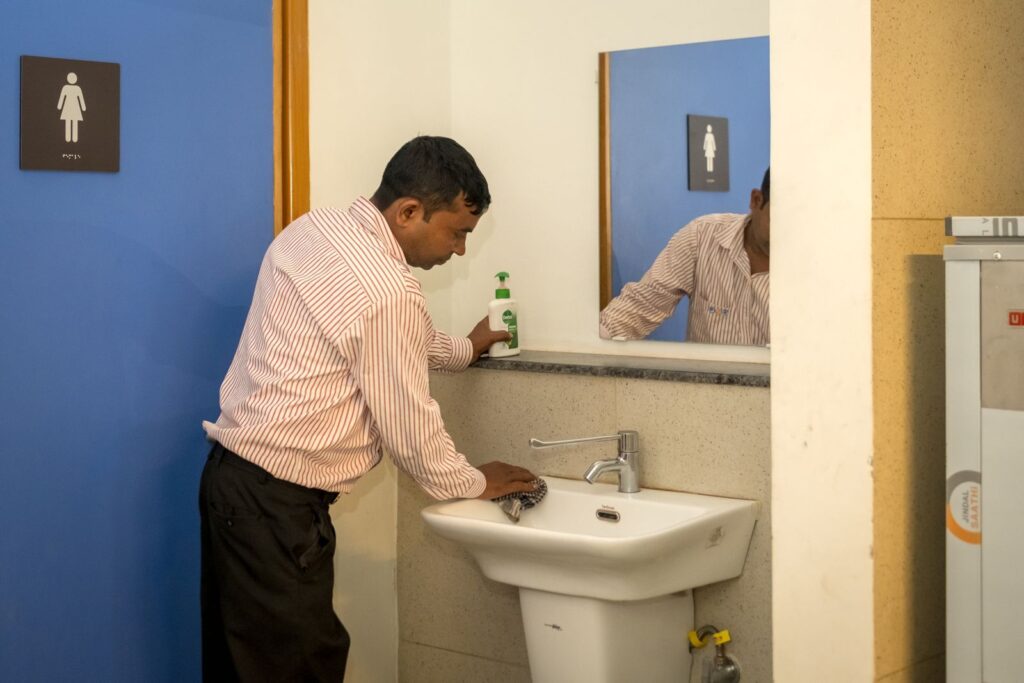
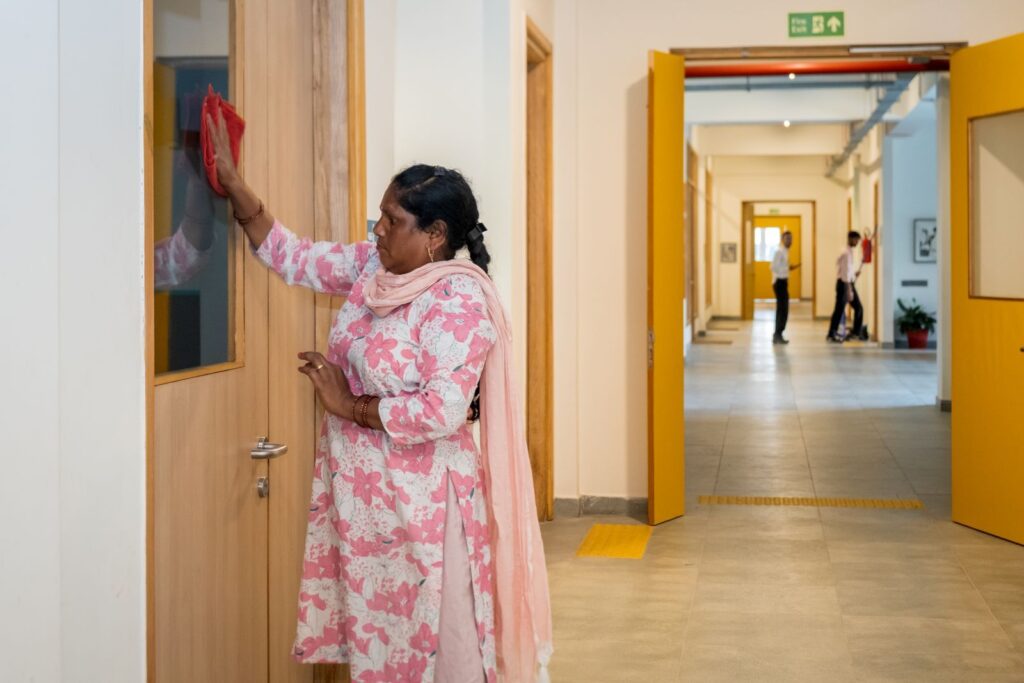
In such a context, maintenance is revolutionary. It’s good to create new things. It’s even better to preserve them, to care for them so well we can hand them on to the next generation, to build a culture of respect for scrubbing and polishing, for oil changes, tune-ups and timely repairs.
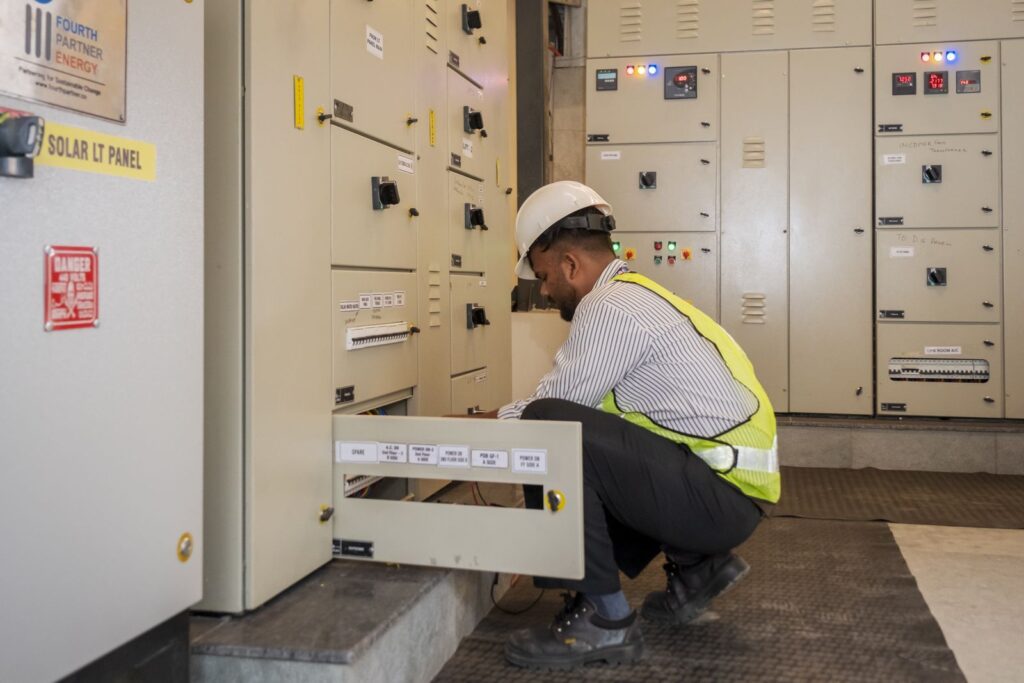
It’s called good housekeeping. And we are proudly asking our donors to support it in that spirit.