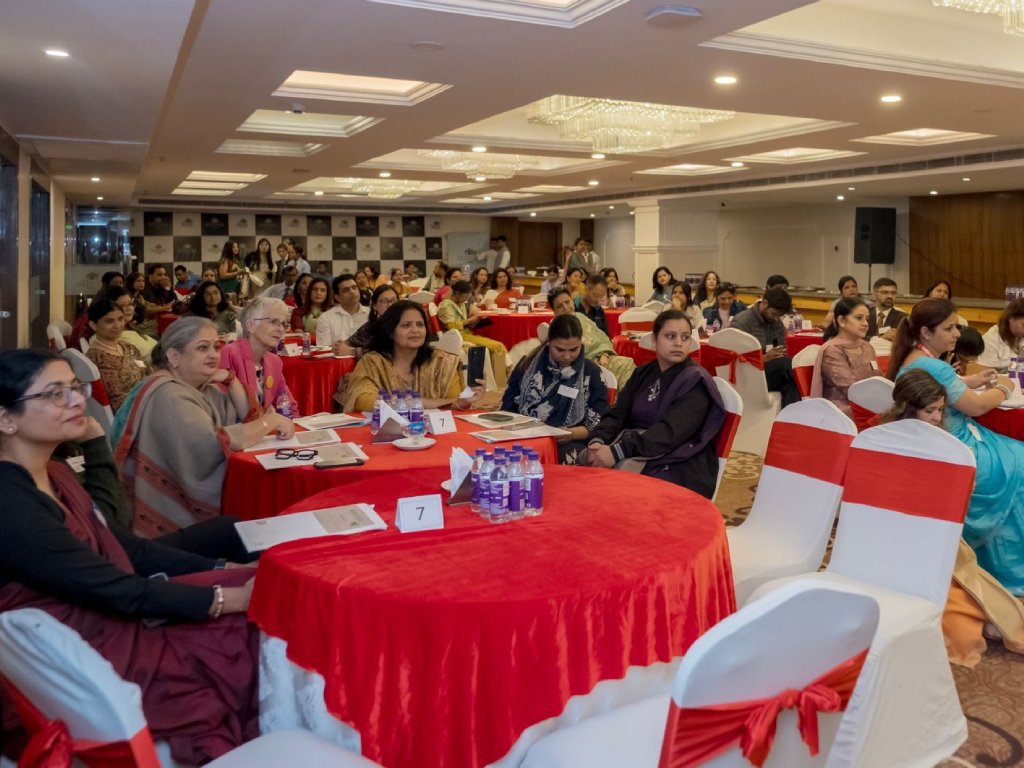
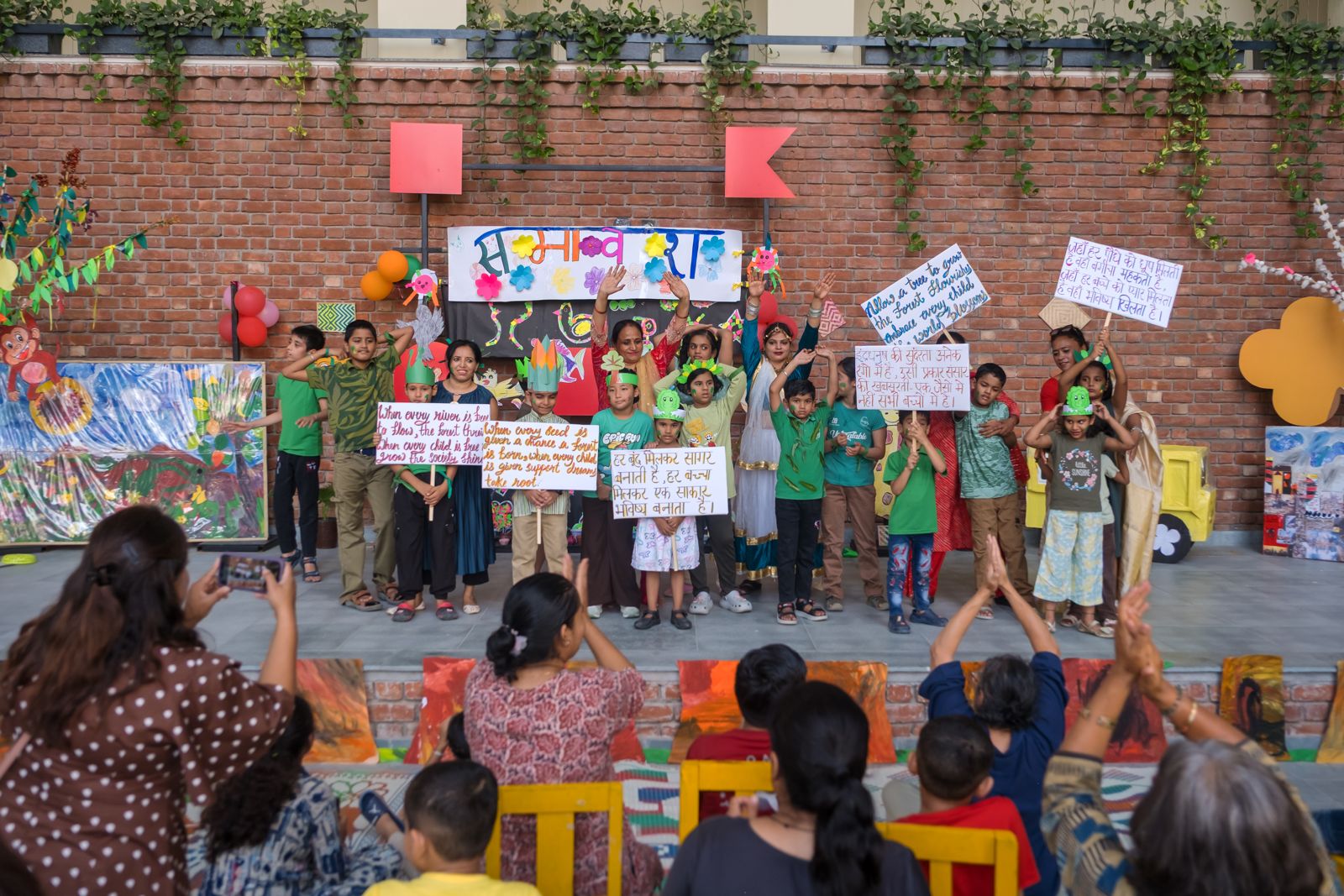
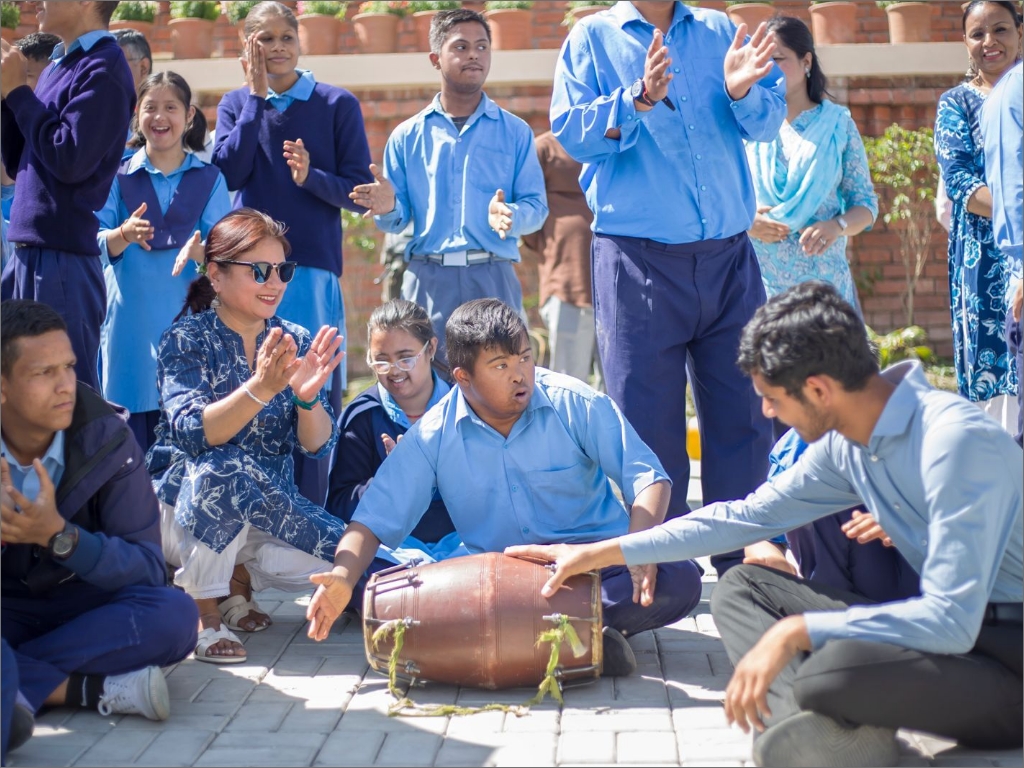
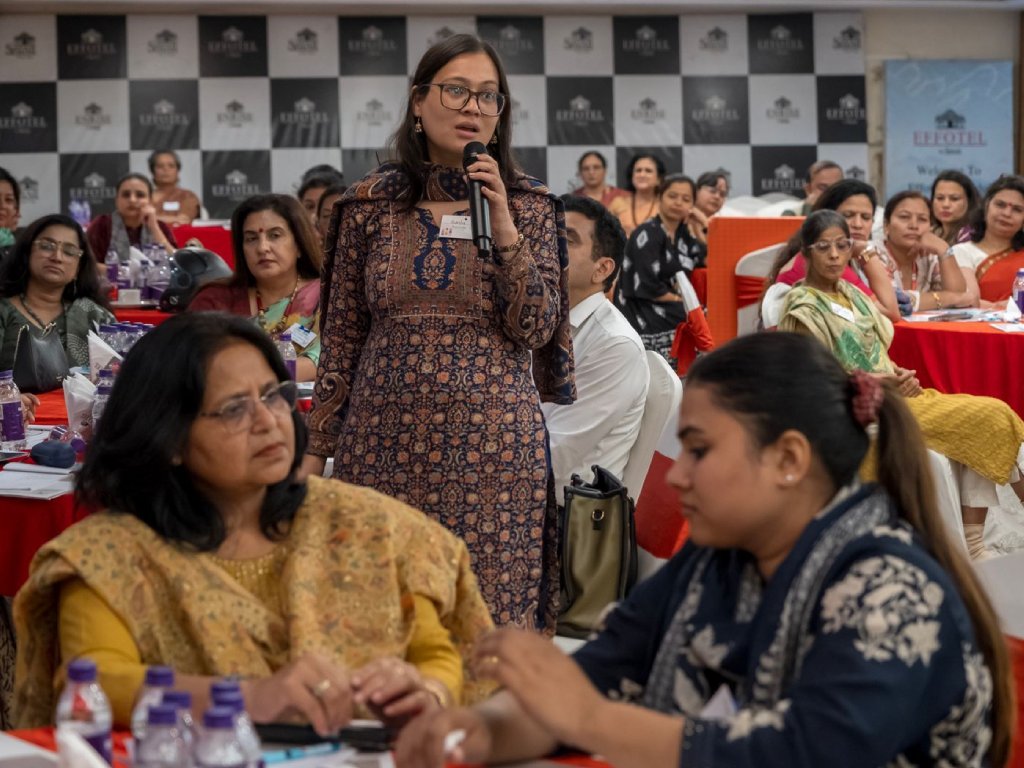
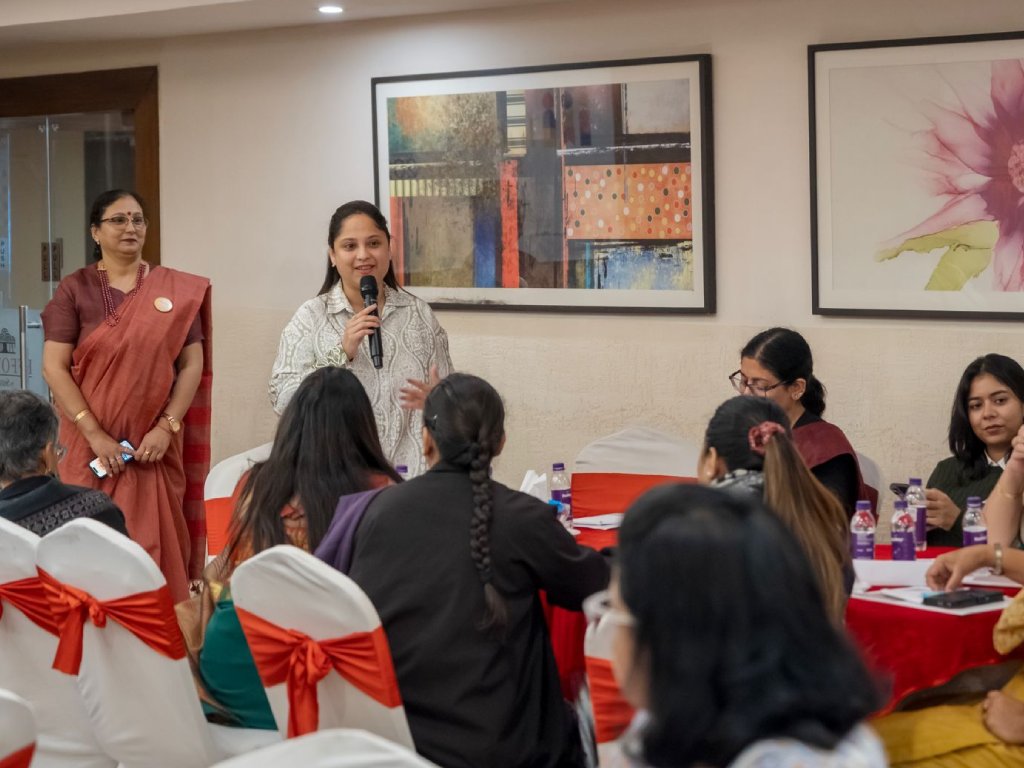
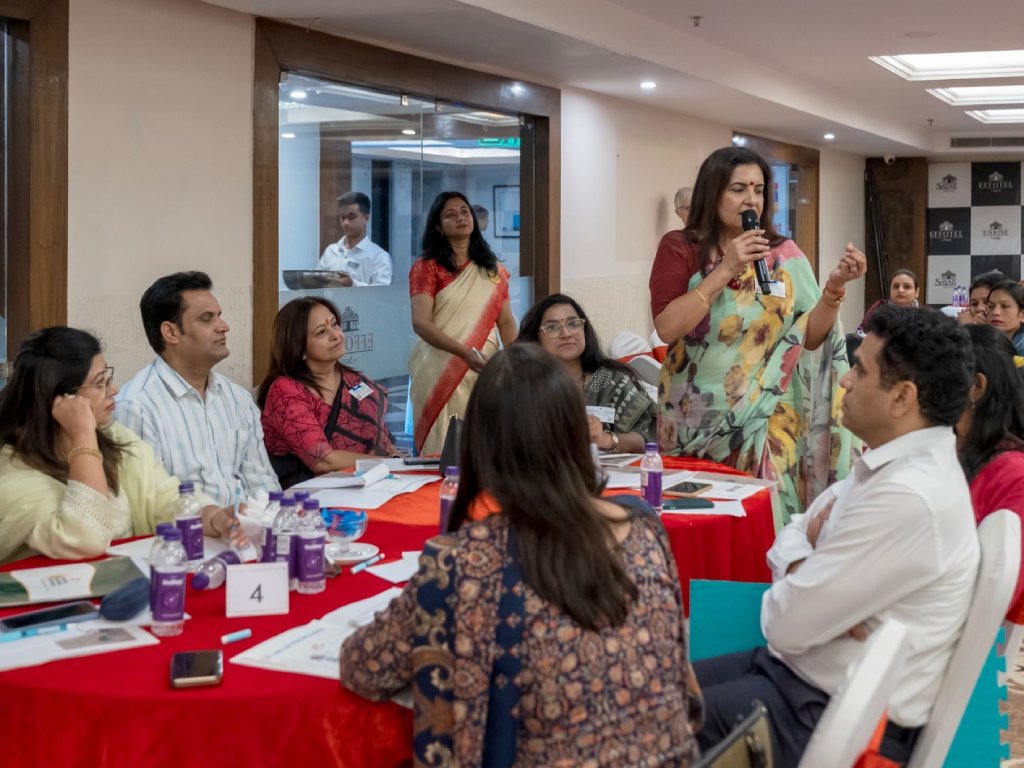
What does inclusion look like in an everyday classroom? How can teachers support children with different learning needs? What can schools learn from one another? These were the questions we discussed with teachers, school leaders, special educators, and counsellors from 37 schools across Dehradun our third Inclusive Schools Meet last month. Our objective was to share experiences, discuss challenges, and find practical ways to make classrooms more inclusive.
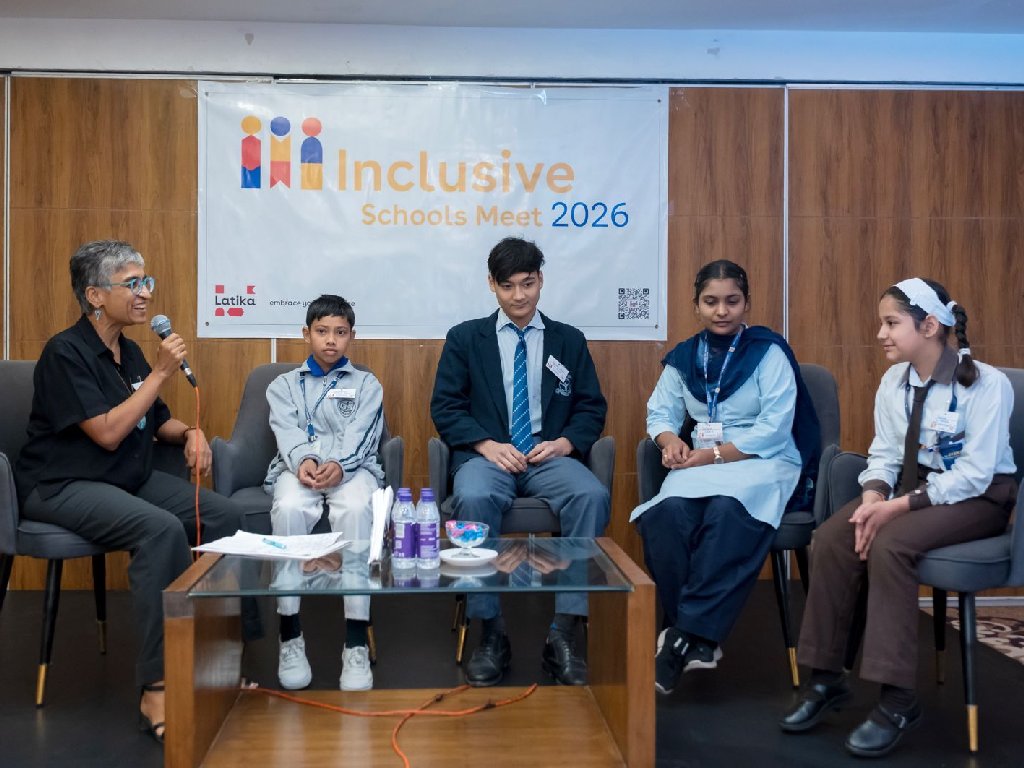
The day began with a panel discussion that put students at the center of the conversation. The panel, moderated by developmental pediatrician and UMMEED Founder Director Dr Vibha Krishnamurthy, featured four students from inclusive schools. Vaanya, Alankya, Aarush, and Sanjana spoke about friendships with their disabled classmates, formed through everyday experiences like listening to the same music, helping each other with math, or sharing stationery.
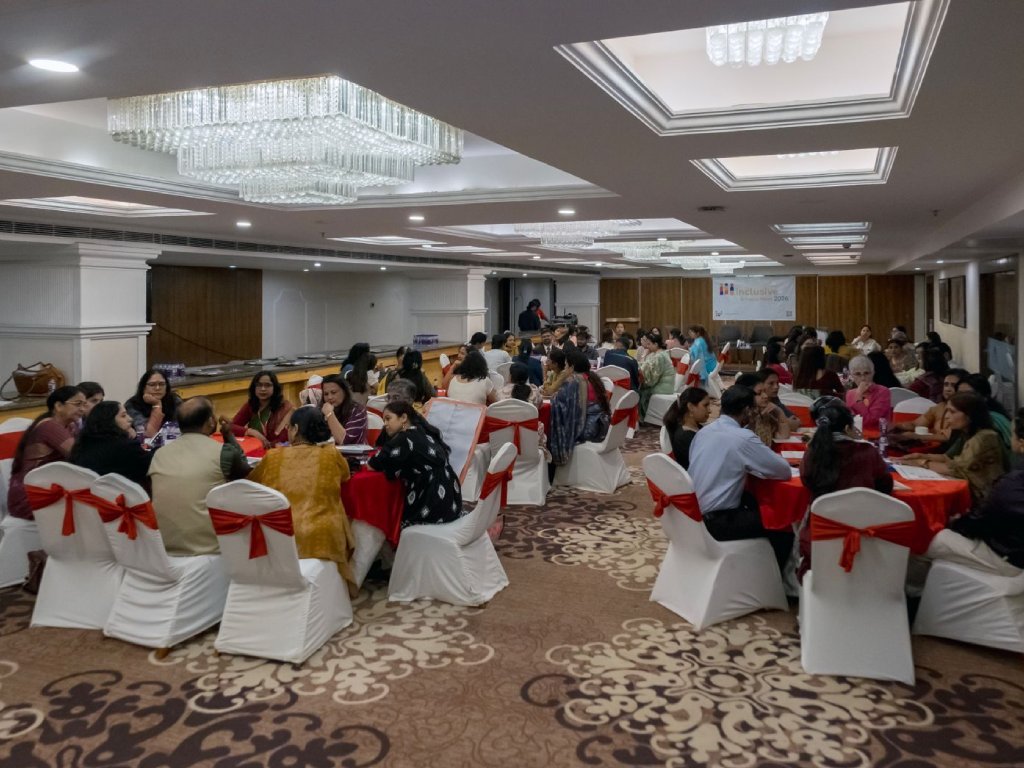
The discussions that followed focused on four challenges the teachers typically encounter in inclusive classrooms – managing behavior, supporting writing, assessing progress, and preparing meaningful report cards. Educators exchanged strategies that had worked in their schools, discussed difficulties, and explored solutions they could take back to their classrooms.
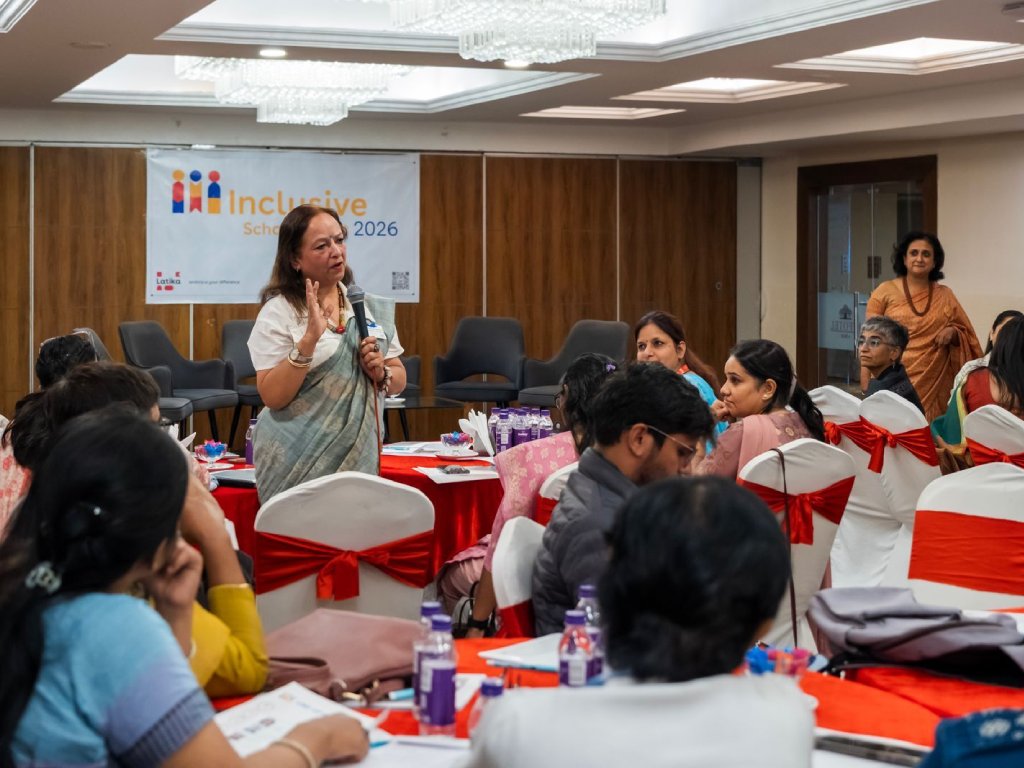
One important theme was the need for all teachers, not only special educators, to take responsibility for inclusion. As Namrata Sharma from Horizon School, Jolly Grant, explained, “We thought special educators will do inclusion, but over the years we’ve realized that mainstream teachers are as important a part of the process, so now we do training of our teachers with Latika.”
Lt Col Preeti Yadav of Doon Global School offered another important reminder: “Learn the child before the label.” She emphasized the importance of understanding each child’s individual needs and spoke about how Latika’s Dosti visits help build meaningful connections between children.
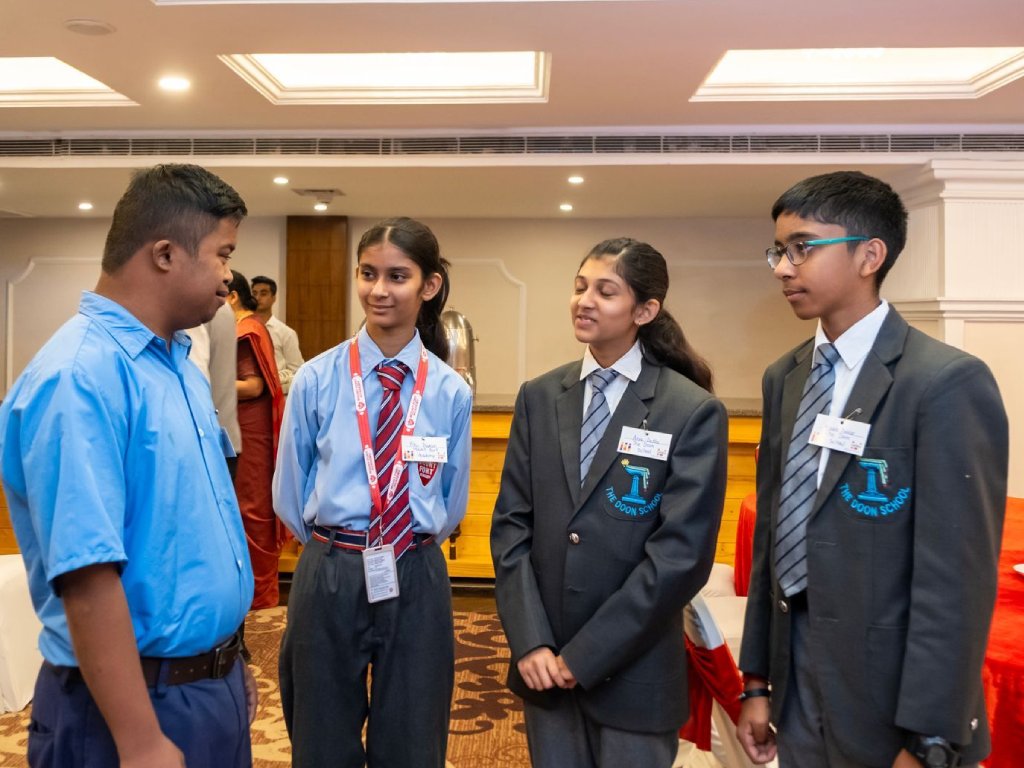
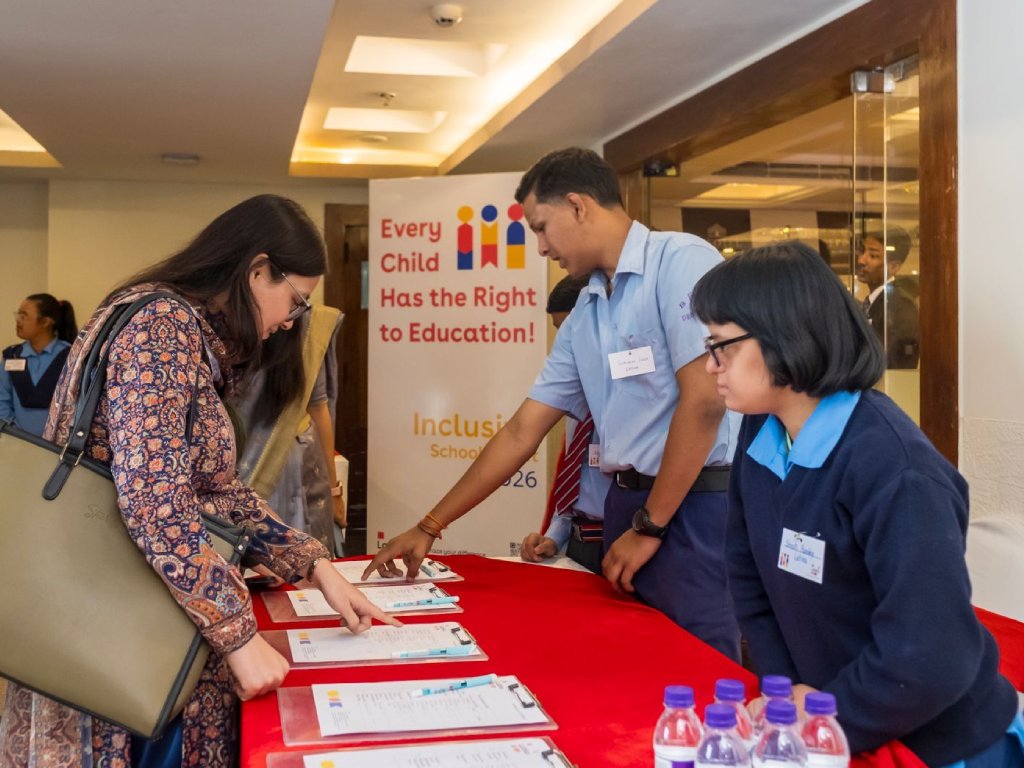
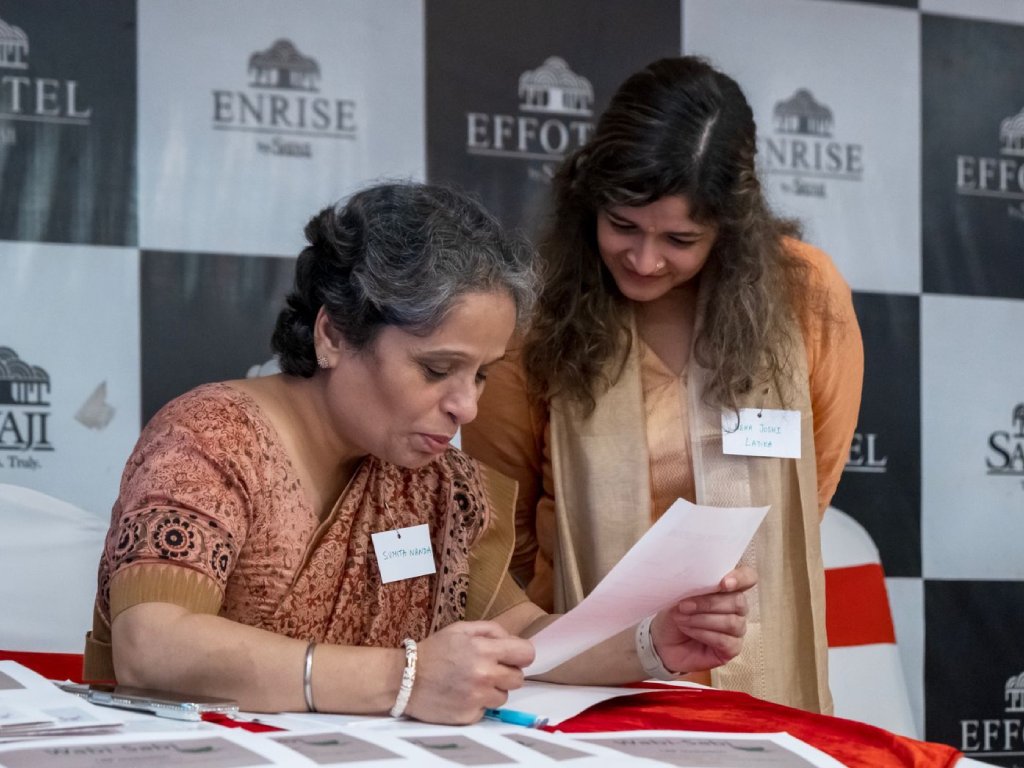
The emphasis throughout the day was on learning together. Latika trainees and students from The Doon School and Mount Fort Academy worked side by side to welcome participants and manage registration.
The group discussions were facilitated by Latika team members Rupa, Anita, Shivani, and Aditi, alongside block and cluster resource persons Anjali Bhatt and Shubham Dhyani.
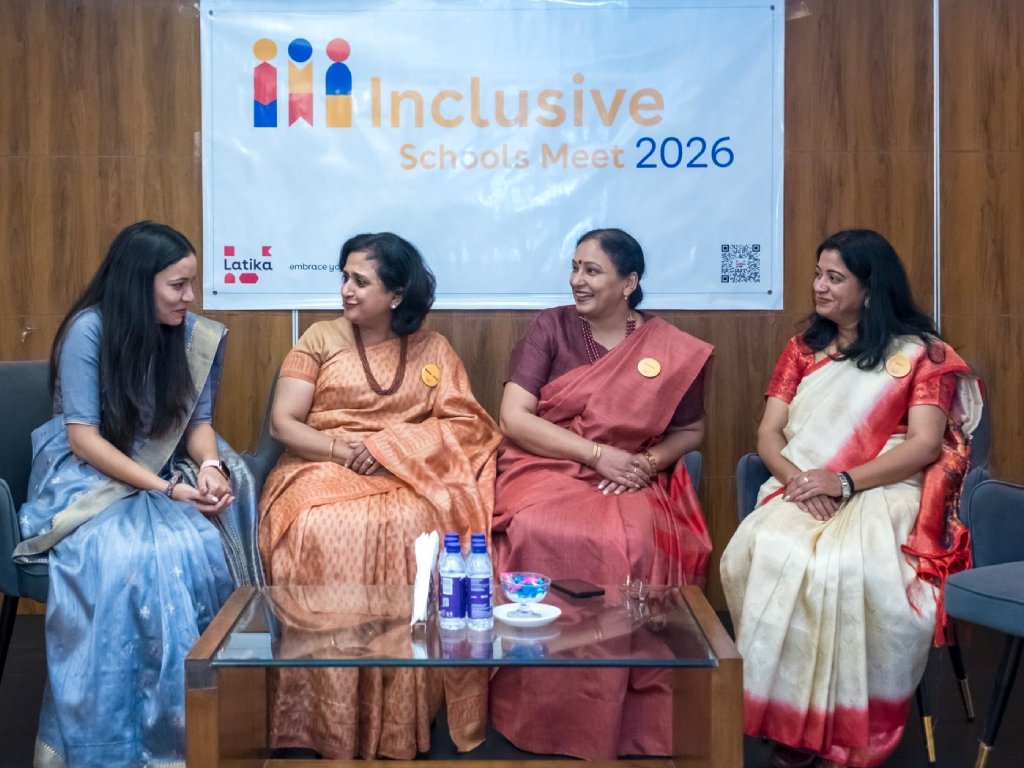
The Meet closed with reflections from Sumita Nanda, COO, Latika, and an opportunity for educators to continue their conversations informally.
We hope everyone went back to their schools with fresh ideas, useful strategies, and the reassurance that they are not alone in figuring out how to make inclusion work. As the students reminded us at the start of the day, sometimes it begins with something as simple as sharing a pencil, helping a friend with math, or discovering that you both love the same music.