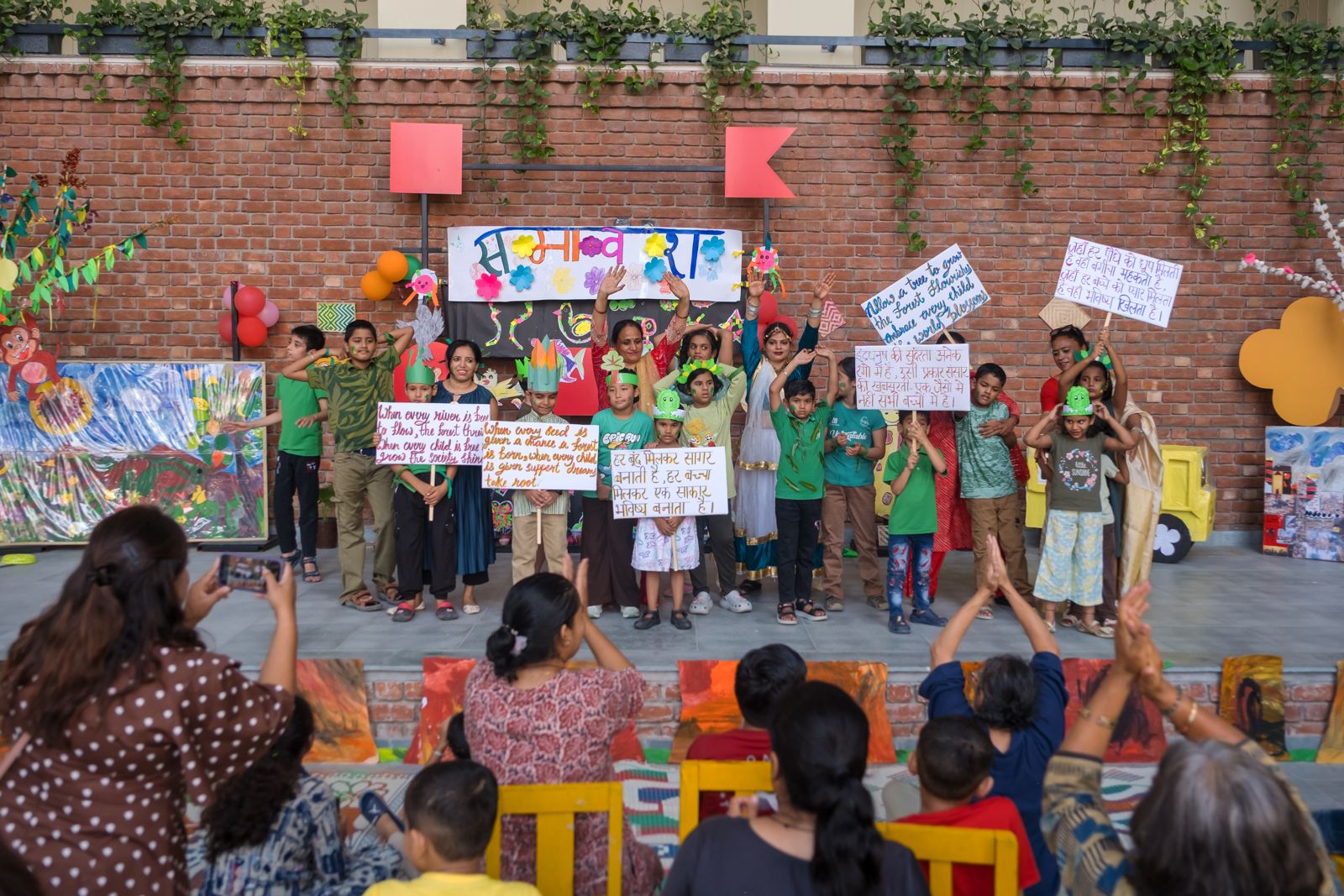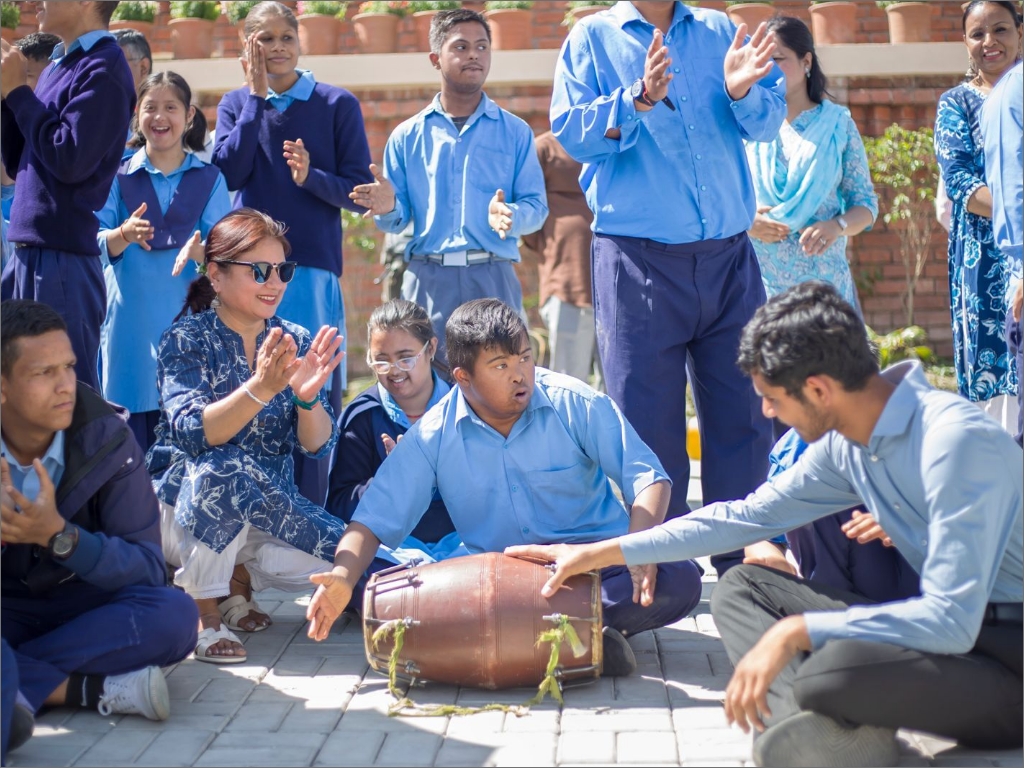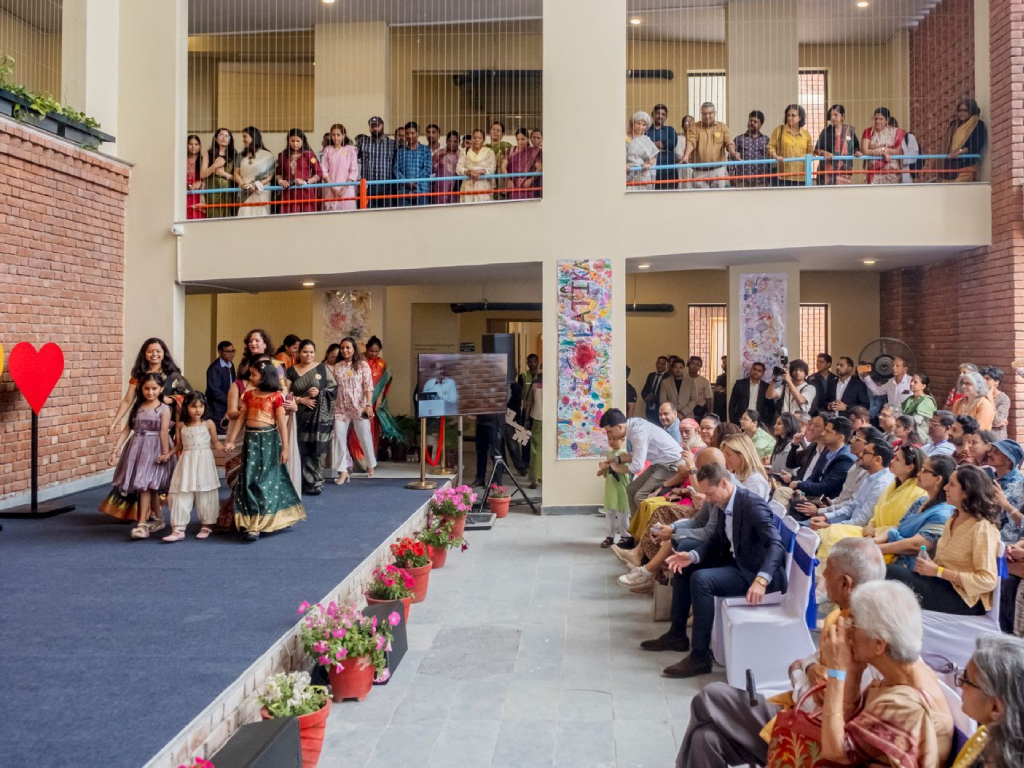
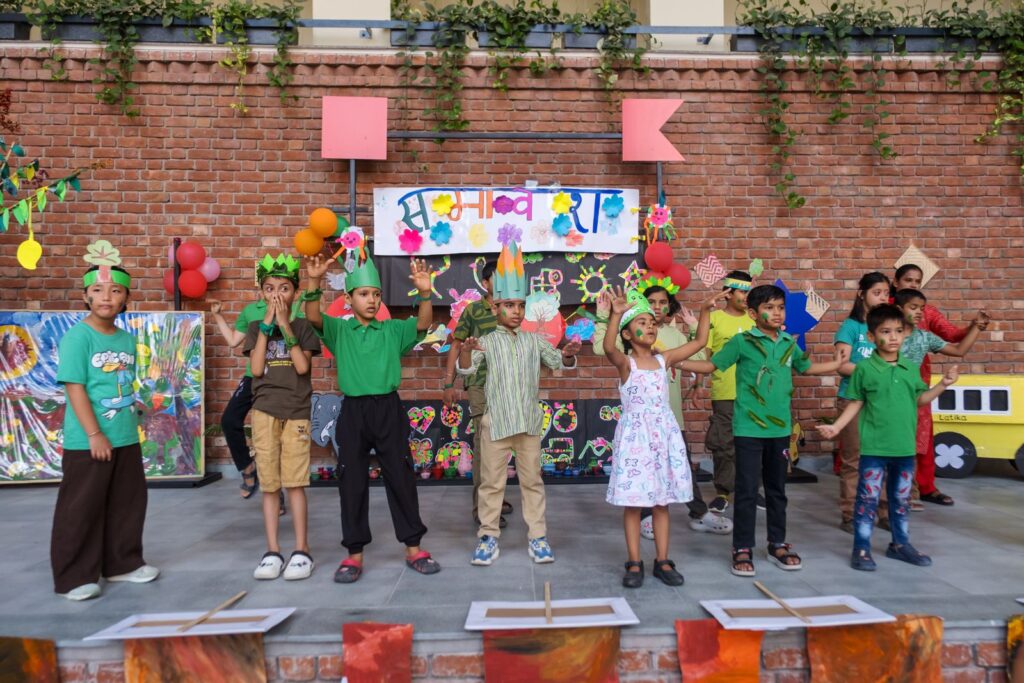
Things got off to a rolling start at Latika Vihar, our inclusive play center, shortly after we moved into our brand new premises with a Nature and Inclusion themed Samavesh 2026 festival.
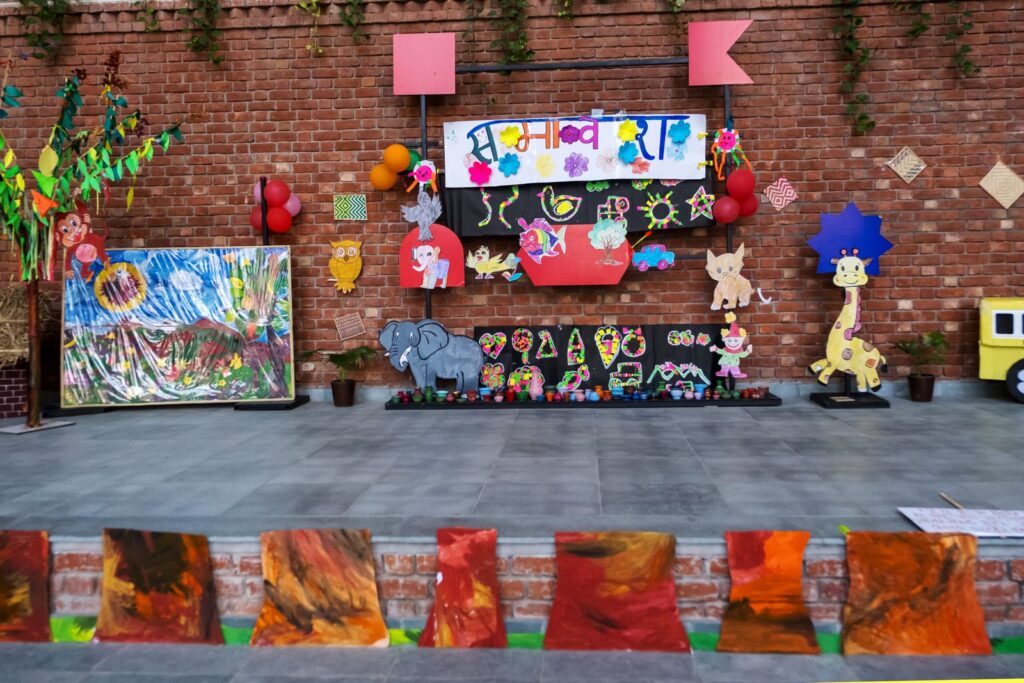
Every activity class contributed in their own special way. Art and Craft decorated the stage and venue. Music, Drama and Dance performed. Weaving built two gorgeous bamboo trees and incorporated the Latika bus into the set for good measure.
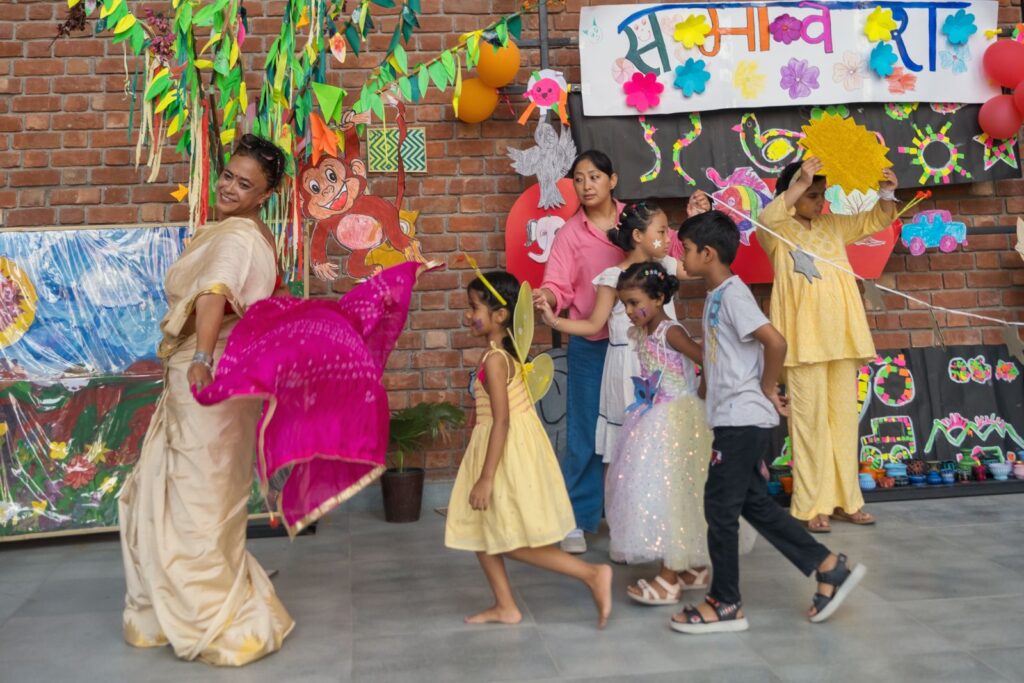
Preparing for the performance was, as always, wonderfully unpredictable. The same group of children was rarely together for consecutive rehearsals. Summer holidays, illnesses, appointments, changing routines, not feeling up to practising – they came and went, showing up when they could until little by little, it all came together.
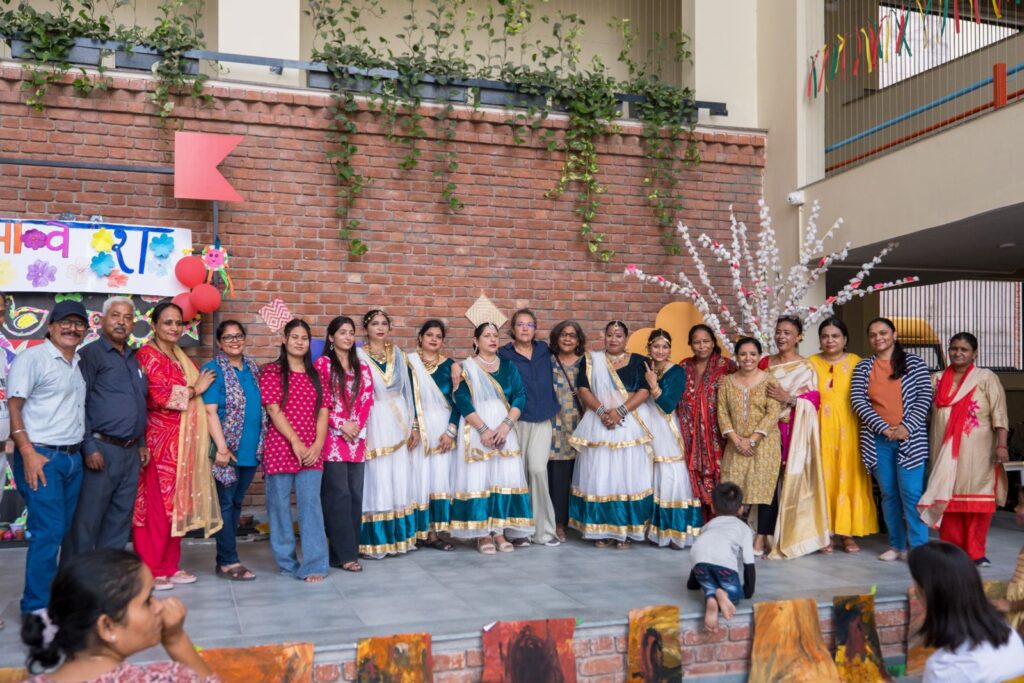
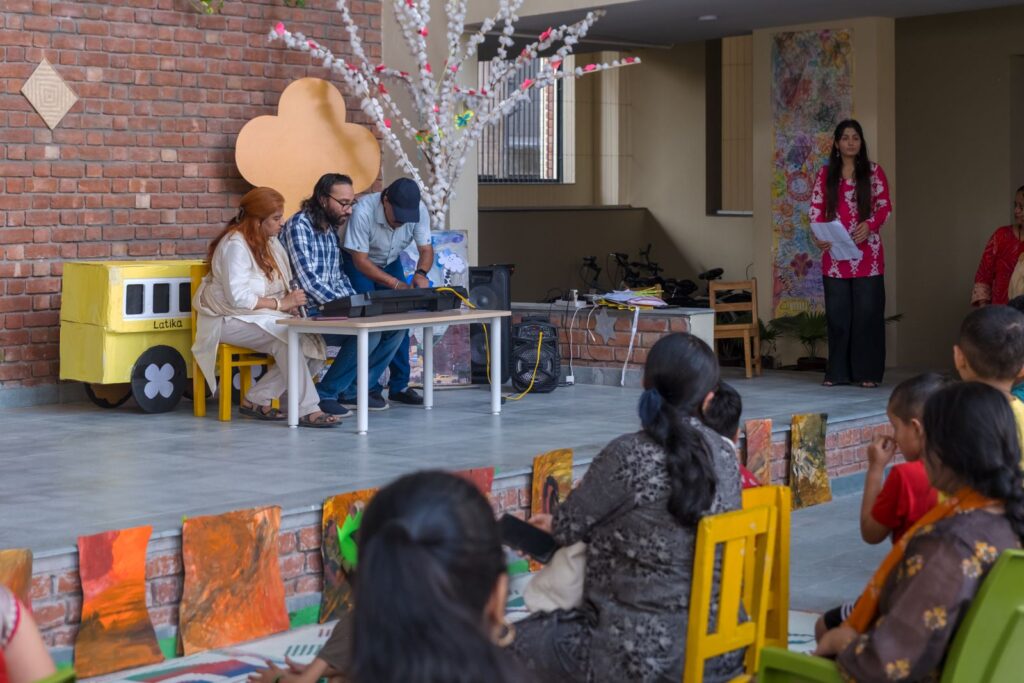
On 14 July, the programme opened with a dance performance, Na Kaato Mujhe, an ode to protect nature. Humara Bhi Hai Adhikar, performed mostly by Latika moms, was about the right of every child to dignity, opportunity and belonging. The audience was soon singing along enthusiastically to a medley of old favorites — Saare Ke Saare Ga Ma Ko Lekar Gaate Chalo, Chidiya Chu Chu Karti Hai and Re Mama Re. Everyone came to their feet for the Rajasthani folk dance, and cheered along the two young adults captivated them with their singing and keyboard performances.
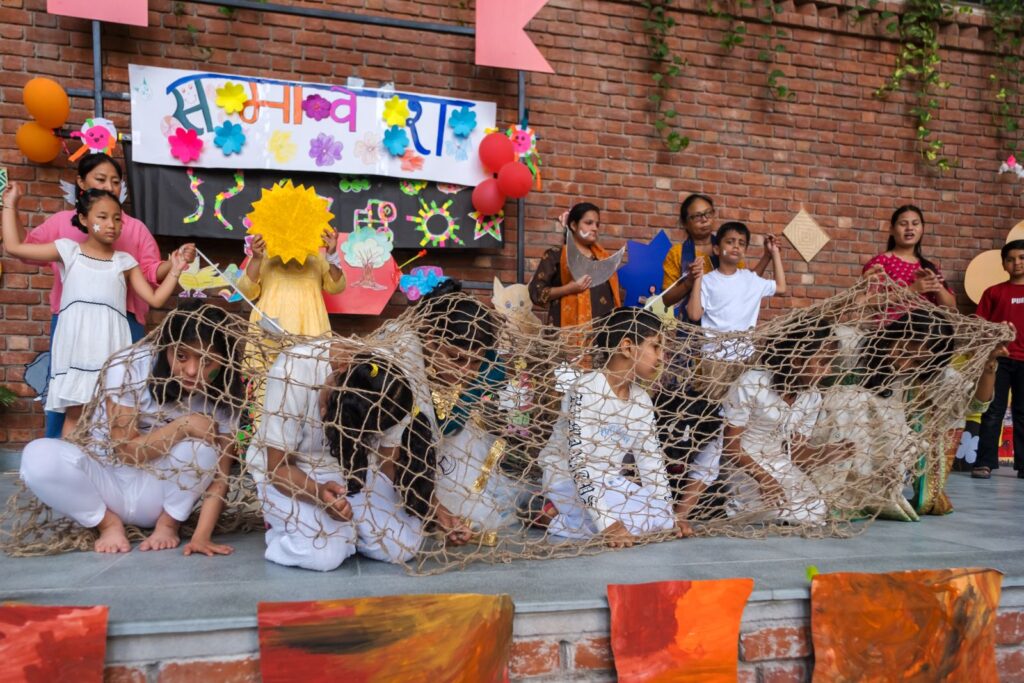
The program concluded with the much-loved children’s classic Ek Chidiya, Anek Chidiyan, Ek Titli, Anek Titliyan, a gentle reminder that our differences make us stronger when we come together.
Sheeba Chowdhry, Project Head, Latika Head, credits everyone – children, parents, teachers, therapists, support staff and volunteers – to contributing their time and talents, on and off stage.
“We often use the phrase ‘special child’,” she says, “but it’s worth pausing to think that ‘special’ is only an adjective, ‘child’ is the person. Yet we so often allows the adjective to overshadow the individual. We notice difference before we notice personality. We focus on disability before we recognize talent, humour, determination and growth. Maybe the children on our stage didn’t want to be admired for overcoming disability. Maybe they just wanted to be seen, heard, and to applauded for doing something they love, just like every performer does.”